
 Silk
Silk
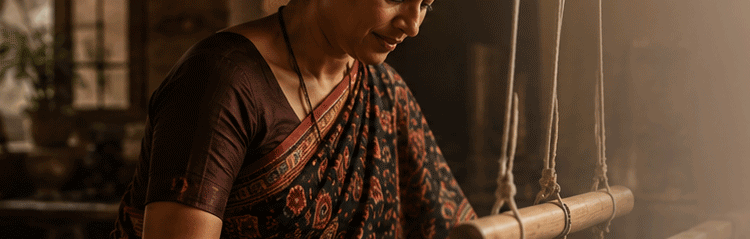
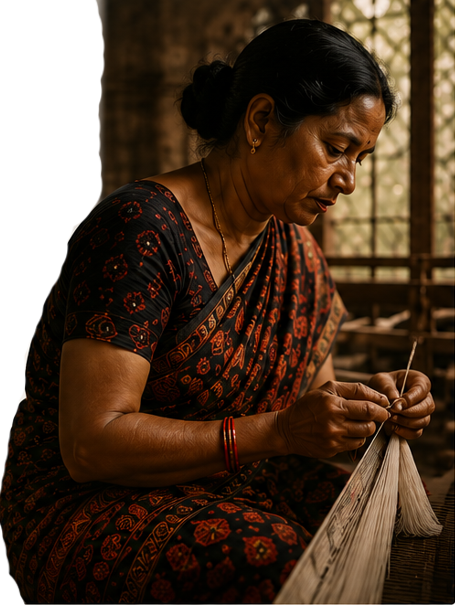

How a Saree is Woven
From Yarn to Loom: A Week-by-Week Journey
From yarn to loom: the meticulous, multi-week process behind every handloom saree.
- Sarees are handwoven using the Ikat technique.
- Originated in Western Odisha.
- Takes 15–30 days to weave.
- Naturally dyed with plant-based colors.
A heritage woven for generations
Sambalpuri sarees are more than just textiles. They are a legacy of Odisha’s rich cultural heritage, passed down through generations of skilled weavers from Western Odisha.
Every thread, every motif and every weave carries a story of patience, devotion and artistry.
-
1
Yarn Dyeing
Natural dyes are used to color the yarn.
-
2
Tie & Dye
Threads are tied meticulously to create patterns.
-
3
Warp & Weft Preparation
Yarns are prepared for the loom.
-
4
Hand Weaving
The magic happens on the loom, thread by thread.
-
5
Finishing
The saree is washed, dried and finished to perfection.
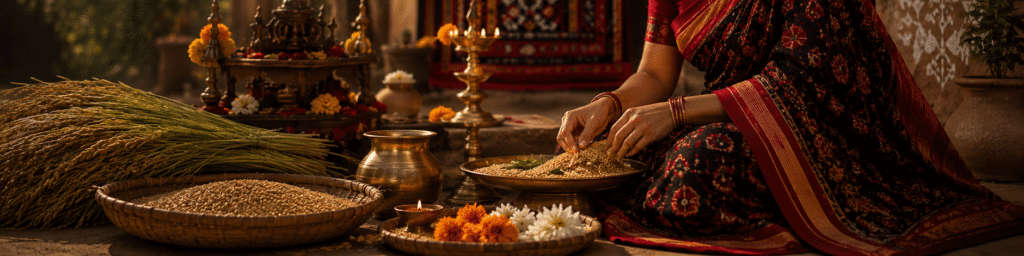
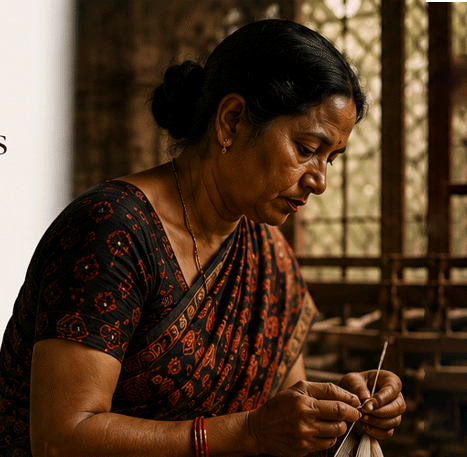
The weavers begin by carefully preparing the yarn, a process that demands patience and precision.
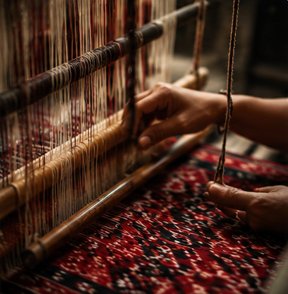
This preparation sets the foundation for the intricate patterns that make Sambalpuri sarees unique.
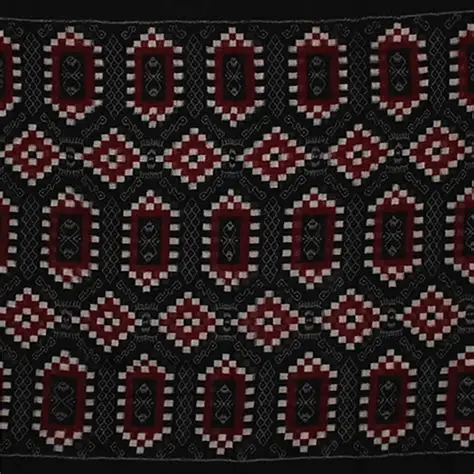
A single Sambalpuri saree can pass through six or more pairs of hands before it is complete – from dyeing to weaving to finishing.
Frequently Asked Questions
Sambalpuri sarees are woven using the Ikat technique, where the yarns are tie-dyed before weaving so the motifs emerge directly from the pattern of the threads themselves.
Depending on the complexity of the motifs, a single saree can take anywhere from 15 to 30 days of dedicated handloom work.
Yes. Weavers traditionally use plant-based and natural dyes, giving each saree its distinctive, richly toned colour palette.
Dry clean or gently hand wash in cold water, dry in shade away from direct sunlight, and store folded in a breathable cotton cloth.
References
- Odisha State Handloom Department
- The Art of Sambalpuri Weaves – Dr. H.K. Mahapatra
- Indian Textiles – Ministry of Textiles, Govt. of India
- Interviews with Local Weavers, Bargarh

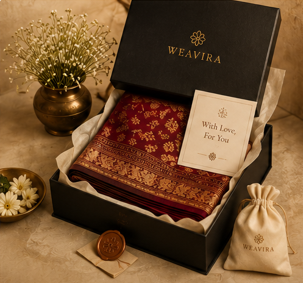
Sambalpuri sarees are more than just beautiful textiles. They are living records of Odisha’s artistic heritage, where tradition, nature and devotion come together in perfect harmony.
Each saree is a reflection of the weaver’s patience and precision. The threads are dyed before weaving, creating intricate patterns that are not printed, but born within the fabric itself.
From the rhythmic beat of the looms to the hands that guide every thread, Sambalpuri weaving is a celebration of skill passed down through generations.
It is not just worn, it is treasured. It carries stories of festivals, of families, of moments that become memories.